
Everyone talks about advancing the line, but few people talk about what happens after the fire is out.
Rolling hose has always been viewed as part of cleanup, but it's also a task that exposes firefighters to contaminated hose, repetitive bending, awkward lifting, and unnecessary wear on the body. Modern fireground equipment should improve firefighter performance during suppression—and help reduce risk afterward. Once overhaul is complete and the scene starts winding down, the focus shifts to getting everything back in service. Hose gets drained, rolled, and loaded back onto the apparatus. It's a routine task that's been part of the job for generations, and because it's so routine, most don't give it a second thought - and it's about time we had a new conversation around it.
Over the last decade, the fire service has become much more aware of firefighter health, especially when it comes to cancer prevention. Gross decon has become standard practice in many departments. Dirty gear stays out of the cab, turnout gear is cleaned more frequently, and firefighters are more conscious than ever about limiting unnecessary exposure to products of combustion.
Yet one piece of equipment often gets overlooked: the attack line.
That hose has just been dragged through smoke, soot, debris, and everything else left behind after a structure fire. Every foot of it has been exposed to the same contaminants that end up on our gear. When it's time to clean up, someone has to pick it up, drag it across the ground, shoulder it, and roll it. While handling hose will always be part of the job, reducing unnecessary contact with contaminated equipment is another opportunity to improve firefighter safety.
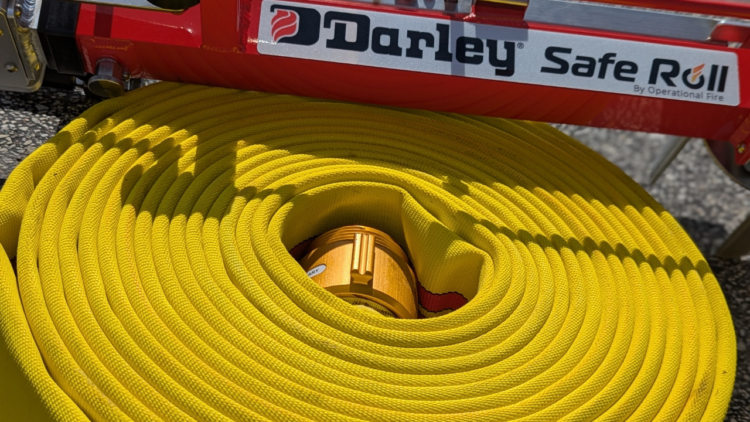
This is where simple innovations can make a meaningful difference. Tools designed specifically for hose management help reduce repetitive bending, minimize direct contact with contaminated hose, and allow firefighters to roll hose more efficiently with less physical effort. They're not replacing good practices—they're improving them. By making cleanup faster and easier, these tools help firefighters protect their bodies while staying more aware of what's happening around them.
At the end of the day, firefighter health doesn't begin when the tones drop or end when the fire goes out. It's shaped by every decision we make before, during, and after the incident. We often focus on the dramatic moments of the job, but long careers are influenced just as much by the repetitive tasks we perform every shift.
Rolling hose may seem like "just cleanup," but it's another opportunity to reduce exposure, lessen physical strain, and improve safety. Sometimes the biggest improvements on the fireground don't come from changing how we fight fire—they come from changing how we take care of the firefighters doing the job.